


Is Now the Right Time to Sell in Arlington? 5 Local Market Signals to Watch
Deciding when to sell in Arlington, Virginia, can feel like trying to time the stock market—everyone wants to "sell high," but nobody has a crystal ball. What you do have, though, are clear local signals that reveal whether conditions are working in your favor. When you read the market carefully and pair that insight with the right strategy, you can position your home to attract serious buyers and strong offers without leaving money on the table.
Instead of focusing only on national headlines, it is far more useful to look closely at what is happening right here in Arlington. Buyer demand, pricing trends, and even neighborhood construction projects can all influence how quickly your home sells and for how much. With a consultative, client-first approach, a professional like Shaina Riddle of Chateau Realty can help you interpret these signs in the context of your specific property, lifestyle goals, and ideal timeline.
Below are five market signals to watch in Arlington when you are deciding whether now is the right moment to make your move. Consider these as puzzle pieces: each one matters on its own, but together they create a much clearer picture of opportunity.

1. Days on Market: Are Homes Like Yours Moving Quickly?
This is one of the easiest and most telling numbers to track. Days on market measures how long it takes for homes to go under contract after being listed. When similar properties in your neighborhood are selling within a week or two, that is a strong sign of high demand and limited supply—conditions that can give sellers more leverage and, often, more attractive offers.
On the other hand, if you notice homes lingering for 30, 45, or 60 days, the market may be sending a different message. Buyers might be more cautious, picky, or price-sensitive, and aggressively overpricing could backfire. In a moderating market, strategic preparation—professional styling, photography, and thoughtful pricing—becomes even more critical. This is where a highly responsive agent, who is constantly monitoring active and pending listings, can advise you on how to stand out rather than chase the market down.
It is also important to compare apples to apples. A renovated townhome near Metro is not competing with a dated single-family home farther out, and vice versa. A consultative review of your home's condition, layout, and location against recent sales gives you a realistic sense of how quickly buyers are likely to respond if you were to list in the current environment.
2. Inventory Levels: How Many Homes Are You Competing Against?
With inventory, the big question is whether the market feels tight or crowded. When there are very few comparable homes available in your price bracket and neighborhood, sellers tend to have the upper hand. Buyers have fewer choices, which can translate into stronger offers, fewer contingencies, and a faster path to closing. In Arlington, where location and transit access are major priorities, even subtle inventory shifts around certain Metro corridors can have an outsized effect.
Conversely, if several nearly identical homes are sitting unsold nearby, that competition can blunt your pricing power. Buyers may use those other listings as negotiating leverage or simply take their time, waiting for a price drop. That does not mean you should not sell; it simply means the strategy changes. You might focus on premium presentation—light staging, small updates with high visual impact, and a pricing approach that signals value rather than "wishful thinking."
A client-first agent will track both the number of new listings hitting the market each week and how many are going under contract. This "flow" of inventory—new supply versus absorbed demand—can offer an early indicator of whether conditions are tipping toward a seller's or buyer's market. When the balance favors sellers, it may be an ideal window to list, especially if your life plans already point in that direction.
3. Price Trends and Buyer Sensitivity
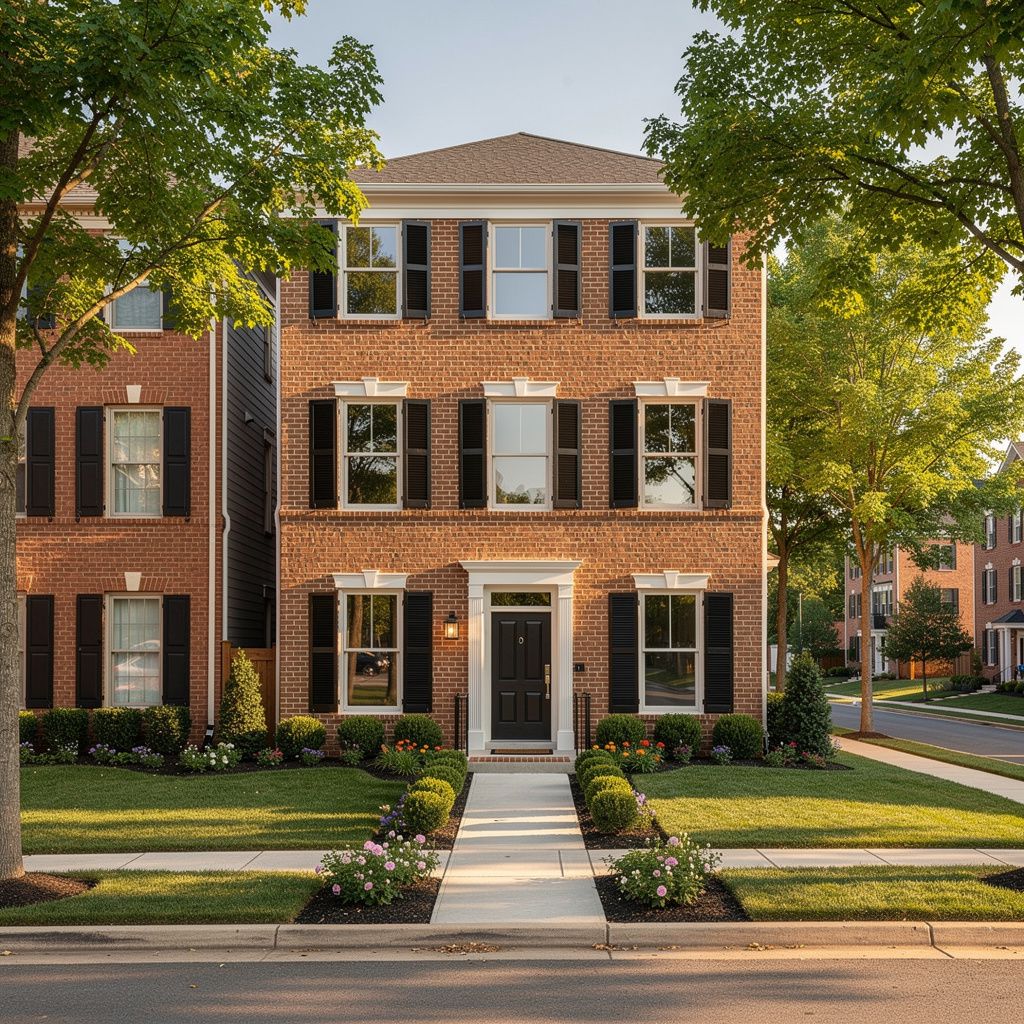
Watching the direction of pricing—rather than just the headlines about "up" or "down"—can give you valuable timing insight. When average and median sale prices for homes like yours have been steadily climbing and still show momentum, you may be in a favorable window to capture that appreciation. In that scenario, listing sooner rather than later can lock in gains you have already earned from owning in a desirable Arlington neighborhood.
If you notice prices flattening or dipping, it does not automatically mean you should wait. For many sellers, especially those who plan to buy locally, a slight softening can actually be beneficial: you might sell for a bit less, but you will also buy into your next home at a more comfortable price point. The key is aligning your move with your financial goals, not just chasing an abstract "top of the market."
Local buyer sensitivity to price is another signal. Are you seeing frequent price reductions in online search results? Are homes selling only after cuts of 3–5% or more? A luxury-focused advisor like Shaina will review this data with you and help determine a pricing band that attracts qualified buyers without signaling desperation. Thoughtful pricing, coupled with premium marketing, often yields better net results than simply listing high and hoping.
4. Interest Rates, Commutes, and Lifestyle Shifts
Interest rates are a national factor, but their impact is felt very personally in Arlington, where many buyers are balancing mortgage payments with commute preferences and lifestyle perks. As borrowing costs move, some buyers step back while others move quickly to lock in a rate. When rates are stable or slightly easing, more buyers tend to enter the market, which can boost demand for well-located homes.
Beyond rates, lifestyle trends matter. Hybrid work has reshaped what many Arlington buyers value: extra office space, private outdoor areas, and quiet streets have gained importance, while easy access to Metro, trails, and urban amenities remains a major draw. If your home checks several of these boxes—say, a townhome with a dedicated office nook and a small patio within reach of transit—you may find demand is quite strong regardless of short-term rate fluctuations.
Your agent's availability and responsiveness become essential when market conditions change quickly. In a shifting environment, buyers may want to tour immediately, adjust offers on short notice, or seek more detailed information about schools and community amenities. Having a professional who is consistently available to you—and to potential buyers—can be the difference between a missed opportunity and a seamless, well-timed sale.
5. Local Construction, Amenities, and School Buzz
New development and neighborhood improvements are often overlooked signals, yet they can subtly shape buyer demand and perceived value. A new park renovation, trail expansion, or community center can make your area feel more vibrant and connected. At the same time, major construction projects nearby may temporarily dampen appeal for some buyers while boosting long-term prospects once completed.
School reputation is another powerful local driver. When a nearby school earns positive recognition or invests in new programs and facilities, interest in the surrounding neighborhoods can climb. Many Arlington buyers prioritize educational quality, even if they do not have children yet, because they understand the impact on resale value and community character.
This is where a consultative, luxury-focused service model truly shines. Rather than just listing your home and hoping for the best, a thoughtful agent will highlight the amenities, upcoming improvements, and school strengths that matter most to your likely buyer profile. They will craft a narrative around not only the property itself, but also the lifestyle it offers—from weekend runs on local trails to evenings enjoying neighborhood green spaces and cultural events across the river in Washington, D.C.

Bringing the Signals Together: Is It Your Time to Sell?
When you put all of these signals together—days on market, inventory, pricing trends, interest rates, and local developments—you gain a grounded view of whether the current moment aligns with your goals. There is rarely a perfect, universally "best" time to sell; instead, there is a best time for you, given your life plans, financial picture, and the kind of move you hope to make next.
A responsive, client-first advisor such as Shaina Riddle at Chateau Realty will not pressure you into a decision based on short-term hype. Instead, she will walk you through the data, tour your property, listen carefully to your priorities, and design a custom strategy that fits your timing—whether that means listing soon, preparing quietly for a future sale, or exploring options to buy and sell in tandem.
If these five signals suggest opportunity and you are starting to imagine what your next chapter might look like, this may be the moment to have a thoughtful, no-pressure conversation about your options. With the right guidance and a clear read on the Arlington market, you can move forward with confidence—knowing that your decision to sell is not just timely, but truly aligned with your life, your wealth, and your long-term vision.