


From "For Sale" to "Sold": Overlooked Listing Prep Tips in Fort Worth and Arlington
Every seller dreams of a fast, top-dollar sale, yet many homes in Fort Worth and Arlington leave money on the table because of a few easily fixable details. It is not always the big renovations that make the difference, but the subtle cues that signal quality, care, and value to today's buyers. With a bit of strategy and a consultative approach, you can transform your property from "just listed" to "must see" before your sign even hits the yard. These often-overlooked steps are the kinds of details a client-first, luxury-focused brokerage like Chateau Realty leans into every day.
In a market where buyers scroll through dozens of listings in minutes, the way your home feels—online and in person—determines whether they slow down and schedule a showing. That means looking beyond cleaning and decluttering and thinking more like a buyer than an owner. When you prepare your home with intention, you not only increase your potential sale price, you also reduce days on market and the stress that comes with constant showings.
Below are nine specific listing prep tips that sellers in Tarrant County routinely underestimate. They are based on what consistently moves the needle for buyers in Fort Worth and Arlington, from first-time homeowners to luxury move-up clients.
1. Elevate Your Curb Appeal Beyond the Lawn

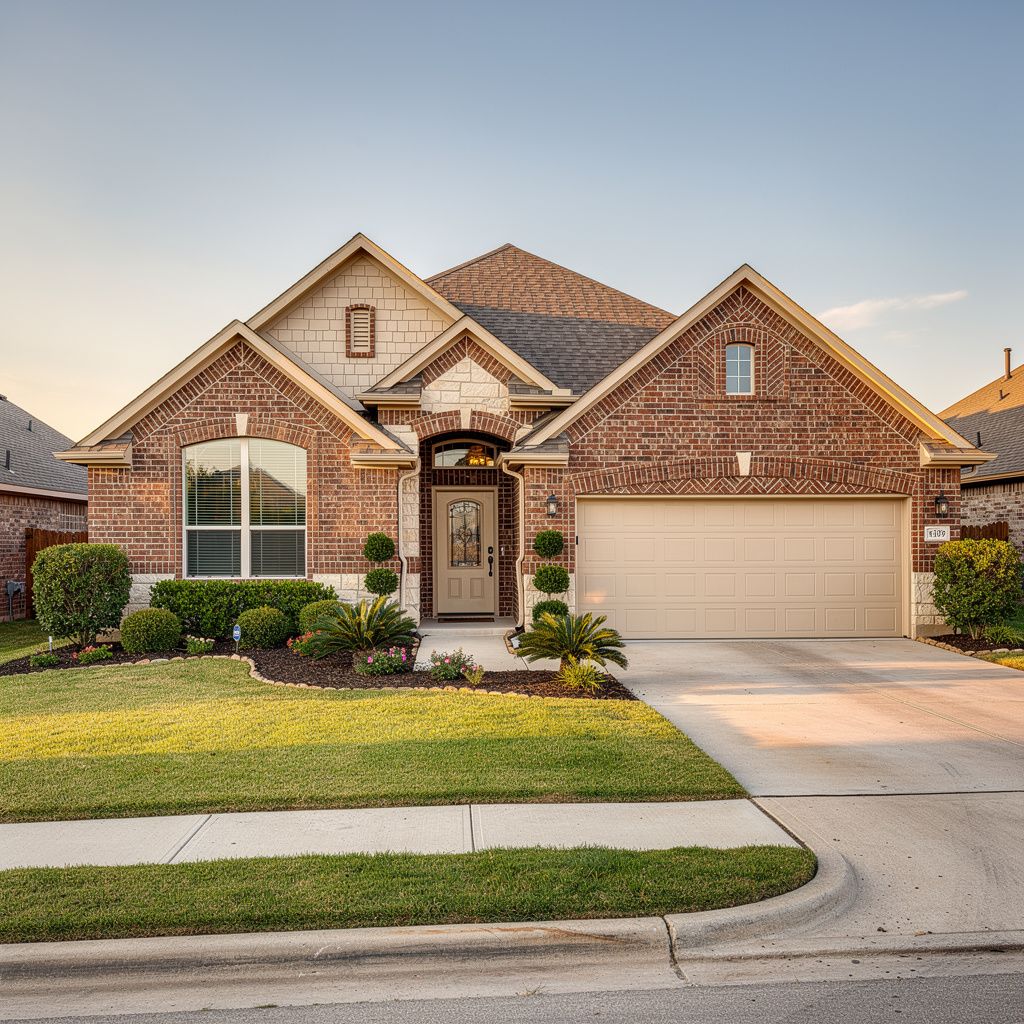
Most sellers know to mow the lawn and trim the hedges, but curb appeal is about how your home feels as buyers pull up to the curb. In Fort Worth and Arlington, where many homes have generous front yards and wide driveways, small upgrades make a big impression. Fresh mulch, a power-washed driveway, and new house numbers or a modern mailbox act like a mini facelift for your exterior. These touches signal that the home has been well cared for long before a buyer steps inside.
Lighting is another detail that often gets ignored. Many showings happen in the early evening, especially in hotter months when buyers want to avoid midday heat. Soft, warm exterior lighting near the entry, garage, and any walkway not only boosts safety but also creates an inviting, almost boutique-hotel vibe. Paired with a freshly painted front door and polished hardware, your entry will feel like a welcome, not an afterthought.
Do not forget the sounds and smells of your street, either. Taking trash bins out of view, having the yard serviced just before active showings, and even lightly sweeping outdoor spaces before each visit can keep the approach to your home feeling calm and orderly. These small details quietly reassure buyers that life here will be convenient and low maintenance.
2. Treat Your Front Entry Like a Luxury Lobby
Once buyers cross the threshold, the first ten seconds set the tone for the entire showing. Too often, the entry is crowded with shoes, keys, backpacks, and the daily clutter of real life. For listing prep, it should function more like a boutique hotel lobby: minimal, intentional, and polished. A simple console table, a stylish mirror, and a small decorative piece like a plant or bowl can create a welcoming focal point without overwhelming the space.
Lighting inside your entry is just as important as outside. Replace harsh bulbs with soft white or warm LED bulbs and ensure fixtures are dust-free and in working order. In Fort Worth and Arlington homes with two-story foyers, buyers frequently look up the moment they step inside. A clean, updated light fixture free of cobwebs immediately shifts the impression from "dated" to "current."
Consider how your home smells at the entry, too. Strong fragrances, plug-ins, or heavy candles can make buyers suspicious that you are masking odors from pets, smoke, or moisture. Instead, aim for neutral and fresh: opening windows before showings, running HVAC filters, and doing a thorough deep clean are far more effective than overpowering scents. Think subtle and spa-like rather than perfumey.
3. Declutter Like a Model Home—Not a Lived-In One
Decluttering is one of the most common pieces of advice—and still one of the least thoroughly executed. Most sellers remove a few items and feel "done," but buyers notice every crowded shelf and overstuffed closet. Model homes in the Fort Worth–Arlington corridor provide a helpful benchmark: surfaces are clear except for a few curated accessories, storage spaces look spacious, and there is visible breathing room in every room.
Start by removing at least half of what is on your horizontal surfaces—kitchen counters, bathroom vanities, bedroom dressers, and coffee tables. Then move to closets and cabinets, which buyers will open. Packed storage sends a message that the home may be short on space; partially empty closets and neatly organized shelves suggest the opposite. If you are serious about selling, this is the ideal time to start packing seasonal or rarely used items into labeled boxes and placing them neatly in the garage or an off-site storage unit.
For families and busy professionals, this process can feel overwhelming. This is where a consultative agent shines. A client-first professional will walk room by room with you, prioritizing what matters most for photos and in-person showings, helping you avoid "over-prepping" low-impact areas while neglecting the spots buyers scrutinize the most.
4. Neutralize and Brighten with Strategic Updates
Cosmetic updates do not need to be massive to make a big difference. In many Fort Worth and Arlington homes, bold paint colors, heavy drapes, and dark finishes can make spaces feel smaller or more dated than they really are. A fresh coat of paint in light, neutral tones instantly brightens rooms and helps buyers picture their own furniture and style. Popular soft whites, warm beiges, and gentle greige tones tend to photograph beautifully and appeal to a wide audience.
Lighting upgrades are another low-cost, high-impact improvement that many sellers skip. Replacing mismatched bulbs with consistent color temperature throughout the house provides a more cohesive feel and better listing photos. Swapping very dated fixtures in key areas—such as the dining room, entry, and primary bedroom—for simple, clean-lined options can subtly shift your home into a more current, higher-end category without a full renovation.
Pay attention to window treatments as well. Heavy or worn curtains can make even large rooms feel cave-like. If privacy allows, consider removing them completely and leaving clean blinds or shades, or replace them with light, airy panels that frame the view rather than block it. Natural light is one of the most requested features among North Texas buyers, so any step that amplifies it is worth the effort.
5. Create a Kitchen That Looks "Move-In Ready"
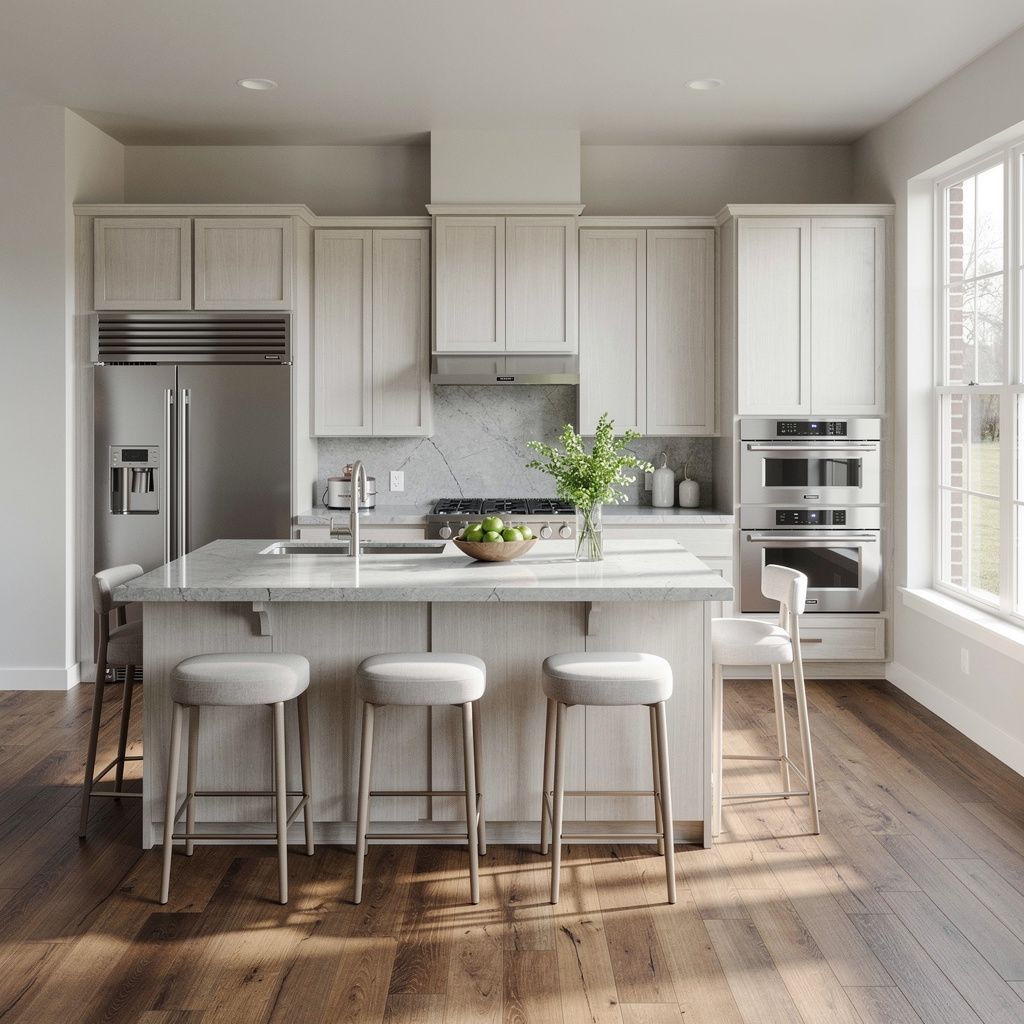
Buyers often forgive a dated bathroom more readily than a tired kitchen. This space is the heart of the home and one of the most scrutinized areas during showings. That does not mean you need a full remodel, but you do need to convey "clean, updated, and move-in ready." Start by clearing countertops of everything except a few well-chosen items like a decorative bowl, a plant, or a single attractive appliance that suggests lifestyle—perhaps a sleek coffee maker or stand mixer.
Cabinets should be wiped down inside and out, hardware tightened or replaced, and hinges adjusted so doors close properly. If your cabinets are structurally sound but visually dated, painting them in a modern neutral and changing the hardware can dramatically improve the overall feel at a fraction of the cost of replacement. Adding under-cabinet lighting is another small upgrade that makes kitchens photograph better and feel more high-end in person.
Appliances matter, too. They do not need to be top-of-the-line, but they should be sparkling clean and in good working order. Stainless steel and black appliances tend to show smudges; make a point to wipe them down right before photos and showings. Even details like organized pantry shelves and matching containers or baskets can elevate the impression of the space and help buyers picture an organized, enjoyable daily routine.
6. Edit and Stage Living Areas for Flow
In many Fort Worth and Arlington homes, living rooms are designed with open-concept layouts that blend into dining areas and kitchens. While this is a major selling feature, furniture placement can either highlight or hide that openness. Too much furniture, or bulky pieces arranged around a television instead of conversation, can make rooms feel smaller and less inviting during showings.
A helpful rule is to remove at least one large piece of furniture from each major living space and see how the room feels. Aim for a layout that creates clear walking paths and natural conversation zones. Staging does not always mean bringing in new furniture; often it is about rearranging what you have, adding a neutral rug, and incorporating a few coordinated pillows and throws to create cohesion. The goal is to suggest how comfortable and social life here could be for the next owner.
Wall art and décor should also be edited with intention. Replace busy galleries with a few larger, simple pieces that support a calm, organized feel. Remember that photos are often taken from corners to capture the entire space, so step into those corners yourself and evaluate what buyers will see through the camera's eye.
7. Transform Bedrooms into Restful Retreats
Buyers shopping in a competitive market want their next home to feel like an upgrade in comfort, not just square footage. Bedrooms—especially the primary suite—are where that emotional connection is made. Overlooked details like mismatched bedding, overflowing nightstands, and open laundry baskets can break the illusion of a peaceful retreat.
For listing prep, lean into a hotel-inspired look: neutral bedding with layered pillows, simple side tables with matching lamps, and very limited personal items in view. If your bedroom doubles as a home office or workout area, consider how to minimize that visual clutter. Sometimes it is as simple as storing equipment in a closet before showings or using attractive baskets and bins to keep work materials out of sight.
Closets in bedrooms, particularly in the primary suite, are powerful selling tools. Thinning clothing and shoes by a third, using matching hangers, and arranging items by type and color can make even modest closets feel more luxurious. Buyers interpret organized, partially empty closets as evidence that the home has ample storage and that living here will feel less chaotic.
8. Address the "Invisible" Details Buyers Notice
Some of the most important prep work is not glamorous—but it absolutely influences offers. Buyers in our area tend to be increasingly savvy about maintenance and repair costs. That means they notice stained air vents, aging caulking around tubs and showers, loose doorknobs, and doors that stick or squeak. These "little things" collectively influence whether your home feels move-in ready or like a project.
Before listing, walk through your home as if you were inspecting a property you might buy. Look at baseboards, switch plates, outlet covers, and door frames. Touch-up paint on scuffed trim, replacing yellowed covers, and making sure all doors open and close smoothly goes a long way toward signaling that the home has been loved and maintained. Have HVAC systems serviced, change filters, and clear out return vents so they look clean and well cared for.
It is also wise to address minor plumbing issues—dripping faucets, running toilets, slow drains—before showings begin. Not only do these details show up on inspections, but they also subtly undermine buyer confidence during tours. A responsive, detail-oriented agent will help you triage which items are most important so you can invest your time and budget where it will have the greatest impact.
9. Stage for the Camera, Then for the Showing
Online, your home has only a few seconds to capture attention before a buyer keeps scrolling. That is why it is vital to think of staging in two phases: first for professional listing photos and then for in-person showings. For photos, less is usually more; remove extra chairs, rugs, and accessories that visually clutter shots. Once photography is complete, select a small number of items to reintroduce for warmth and comfort during tours.
In Fort Worth and Arlington, where many buyers are relocating or moving up in price point, high-quality photos can be the difference between a packed first weekend of showings and a sluggish start. Thoughtful angles, good lighting, and clean sightlines through rooms tell a story of easy living. If you can, schedule photos for a time of day when natural light is best in your home, and coordinate with your agent to ensure every blind, lamp, and light is set to flatter the space.
During showings, small touches like a neatly set dining table, fresh white towels in bathrooms, and a simple, tidy outdoor seating area can help buyers imagine hosting friends and relaxing after a long workday. Staging is not about perfection; it is about guiding the imagination so that the next owner can clearly see their life unfolding there.
Turning Overlooked Details into Your Advantage
Selling a home in Fort Worth or Arlington is both a financial transaction and a deeply personal transition. The overlooked listing prep tips above are where those two realities meet: when you invest in details that improve the buyer experience, you typically see that effort reflected in your final sales price and terms. The process can feel like a lot to manage on your own, which is why having a responsive, client-first professional guiding you through each decision is so valuable.
A consultative, luxury-focused approach does not mean pushing unnecessary upgrades; it means understanding your goals, your timeline, and your budget—and then tailoring a strategy around them. With the right preparation and a clear plan, your home can stand out in the Fort Worth and Arlington market for all the right reasons, attracting better-qualified buyers and smoother negotiations.
If you are thinking about selling and want personalized advice on where your time and money will make the biggest impact, connect with a local expert who will walk the property with you, room by room. With thoughtful guidance and a sharp eye for the details most sellers miss, you can move confidently from "For Sale" to "Sold."